

Project Hail Mary spends two and a half hours making you want one thing: Ryland Grace going home. Then, in the last minutes, he doesn't. Here is what happens at the end, why it happens, and the small moments early in the film that tell you it was coming.
Full spoilers from here.
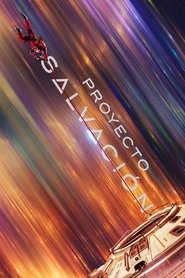 2026 · ★ 8.6Proyecto SalvaciónEl profesor de ciencias Ryland Grace se despierta en una nave espacial a años luz de casa sin recordar quién es ni cómo ha llegado hasta allí. A medida que recupera la memoria, empieza a descubrir su misión: resolver el enigma de la misteriosa sustancia que provoca la extinción del sol. Deberá recurrir a sus conocimientos científicos y a sus ideas poco ortodoxas para salvar todo lo que hay en la Tierra de la extinción... pero una amistad inesperada significa que quizá no tenga que hacerlo solo.
What happens at the end?
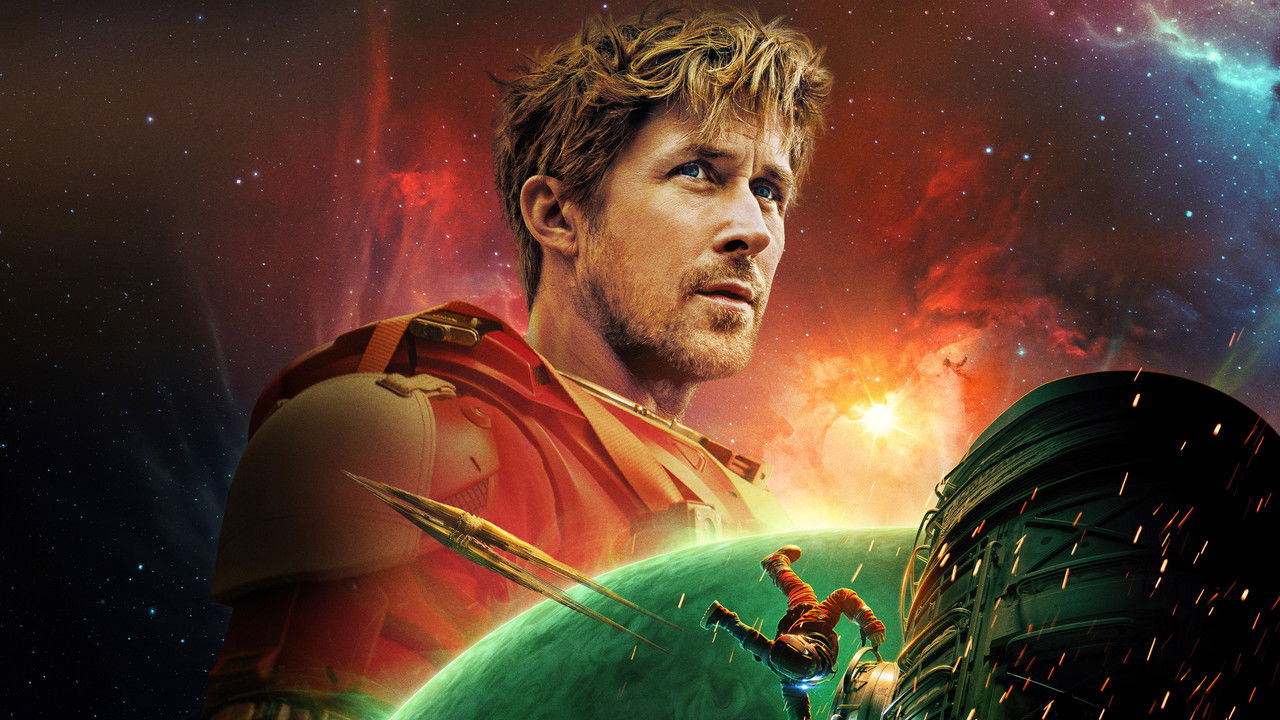
Grace (Ryan Gosling) and Rocky, the spider-like engineer from the star 40 Eridani, finally have the answer both their worlds need. On a planet near Tau Ceti they find Taumoeba, a tiny organism that eats Astrophage, the microbe that is dimming both their suns. They breed it until it can survive in the places where Astrophage grows. The job is done. Rocky gives Grace enough fuel to get home, and the two friends say goodbye.
Then the plan breaks. The Taumoeba they bred have learned a new trick: they can slip through xenonite, the material Rocky's people build everything from. Grace finds them in his own fuel bay and stops them. But he also understands what that means for Rocky. Rocky's whole ship is held together with xenonite. The Taumoeba will eat his fuel, and Rocky will drift in space and never reach Erid.
Grace has to choose. He loads his research and a supply of Taumoeba into the beetles, the four small probes built to carry the answer back to Earth, and sends them home. Then he turns the Hail Mary around, chases Rocky's ship, saves his friend and flies with him to Erid. He knows his ship will never have the fuel to take him back.
The scene the book doesn't have
The film adds a short moment on Earth that is not in Andy Weir's novel. Eva Stratt (Sandra Hüller), older now, stands on a ship crossing a frozen sea and watches the video Grace recorded for Earth. She puts a small xenonite model of Grace on her console, and for once she smiles.
It matters for two reasons. It shows that the beetles made it. And it shows the price: the sun has dimmed long enough to freeze the sea. Earth is saved, but it is not the Earth Grace left.
The last scene on Erid
The Eridians build Grace a home inside a huge glass habitat, with a beach, Earth air and fog. Rocky tells him the ship is ready and fueled. Grace can go home whenever he wants.
The final shot is not of the ship. Grace walks into a classroom full of young Eridians, who greet him with their musical chirps, and he starts a lesson.
Does Grace stay on Erid?
The film does not say it out loud. That is the biggest change from the book, where the epilogue makes it clear he stays. The directors, Phil Lord and Chris Miller, have said they wanted it to be a choice. Grace is free to leave, and the film lets you watch him decide, every day, not to.
A man who was forced into space finally gets to choose, and he chooses the classroom.
Why does it end this way?
Because the whole film is about what kind of man Grace is. In the flashbacks we learn the truth he forgot. He did not volunteer for the mission. When the crew needed a replacement, he said no, and Stratt put him on the ship anyway. The hero of the film began it as a coward.
The ending is the answer to that. The first time Grace was asked to risk his life for others, he refused. The second time nobody asks him. He turns the ship around on his own, for one friend, with no one watching. That is the moment he becomes the man the mission needed.
The clues you may have missed
- He was a teacher first. The film shows Grace teaching middle-school science before the mission. It looks like a joke about how ordinary he is. It is really the ending, set up two hours early. He ends the film where he started, in front of a class.
- His memory loss is not just a plot trick. Grace forgets why he is on the ship, and the film keeps the truth from him and from us. We get to like him before we learn he said no. That makes his last choice land harder.
- Rocky and Grace can never share a room. They breathe different air and live at different temperatures, so they talk through a wall. Every time the film shows that wall, it is asking the same question the ending answers: how far would you go for someone you can't even touch?
- The fist bump. Grace teaches Rocky a fist bump through the barrier early in the film. It is a small, silly human habit, and by the end it is how two species say thank you.
- The model on Stratt's console. Rocky makes small xenonite figures all through the film. The one Stratt keeps on Earth means a little of Rocky made it there too.
Is Earth saved?
Yes, but slowly. The beetles bring the Taumoeba, and the sun will recover. The frozen sea in Stratt's scene shows how much damage was done while Grace was away. Andy Weir has said Grace does not go back partly because he doesn't know what he would find there.
Will there be a sequel?
Nothing is planned. Weir has said he does not like to define what happens outside the pages, and the film was written to stand alone. That open door at the end is the point, not a setup.
If you loved it, watch these next
 2015 · ★ 7.7Marte (The Martian)Un explorador espacial queda atrapado en Marte, luego de ser abandonado por los miembros de su tripulación, quienes pensaron que había muerto a consecuencia de una tormenta. Casi sin recursos y con solo su ingenio, intentará sobrevivir mientras la NASA, por un lado, y los miembros de su tripulación, por su propia cuenta, intentan rescatarlo.
 2014 · ★ 8.5InterstellarUn grupo de exploradores hacen uso de un agujero de gusano recientemente descubierto para superar las limitaciones de los viajes espaciales tripulados y vencer las inmensas distancias que tiene un viaje interestelar.
The Martian is Andy Weir's other story of a scientist alone in space, solving one problem at a time. Interstellar asks the same big question about what we owe to people we may never see again.