
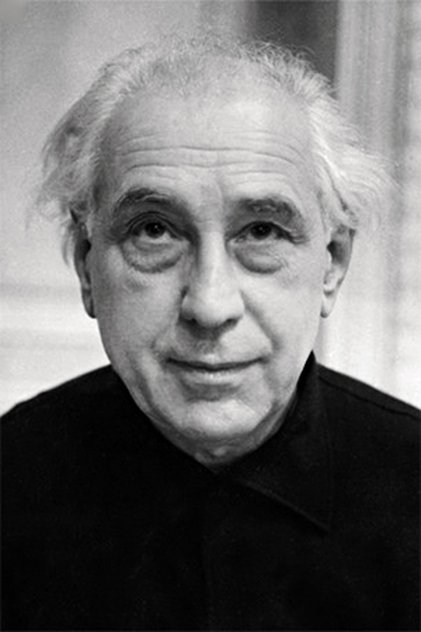
Director
Abel Gance
Nacido el 25 de octubre de 1889 en Paris, France Fallecido el 10 de noviembre de 198140 películas
Abel Gance (October 25, 1889 – November 10, 1981) was a French film director, producer, writer and actor. A pioneer in the theory and practice of montage, he is best known for three major silent films: J'accuse (1919), La Roue (1923), and Napoléon (1927). He was born in Paris in 1889. In 1909, he acted in his first film. He also wrote scenarios, and often sold them to Gaumont. During this period he was diagnosed with tuberculosis, fatal at the time, but he recovered. In 1911, with some friends he established a production company, Le Film Français, and began directing his own films. With the outbreak of WW I, rejected by the army on medical grounds, he started writing and directing for a new film company, Film d'Art until 1918, making over a dozen successful films. Charles Pathé underwrote his next film, J'accuse (1919), in which Gance confronted the waste and suffering which the war had brought. In 1920, he developed La Roue. He brought an unprecedented level of energy and imagination to the technical realization of his story, employing elaborate editing techniques and innovative use of rapid cutting which made the film highly influential. The finished film ran for nearly nine hours, but was edited down for distribution.
Leer más
In 1921, Gance visited America to promote J'accuse. He met D. W. Griffith, whom he had long admired. He was also offered a contract with MGM but turned it down. He then embarked on his greatest project, a six-part life of Napoléon. Only the first part was completed, tracing his early life, through the Revolution, up to the invasion of Italy, but even this occupied a vast canvas with meticulously recreated historical scenes and scores of characters. The film was full of experimental techniques, combining rapid cutting, hand-held cameras, superimposition of images, and, in wide-screen sequences, shot using a system he called Polyvision needing triple cameras (and projectors), achieved a spectacular panoramic effect, including a finale in which the outer two film panels were tinted blue and red, creating a widescreen image of a French flag. The original version ran for around 6 hours. A shortened version received a triumphant première at the Paris Opéra in April 1927. Throughout his life he kept returning to Napoléon, editing his footage, and as a result the original 1927 film was lost from view for decades. The dedicated work of the film historian Kevin Brownlow produced a five-hour version, still incomplete but fuller than anyone had seen since the 1920s. It was presented at the Telluride Film Festival in 1979, and the occasion brought a belated triumph to Gance's career, and made his name known to a worldwide audience.
In the assessment of Kevin Brownlow, "...[Abel Gance] made a fuller use of the medium than anyone before or since". As well as his multiscreen ventures with Polyvision, he explored the use of superimposition of images, extreme close-ups, fast rhythmic editing, and he made the camera mobile in unorthodox ways – hand-held, mounted on wires or a pendulum, or even strapped to a horse. He also made early experiments with the addition of sound to film, and with filming in color and in 3-D. There were few aspects of film technique that he did not seek to incorporate in his work, and his influence was acknowledged by contemporaries and later by the French New Wave film-makers.
Empieza aquí
La mejor puerta de entrada a la obra de Abel Gance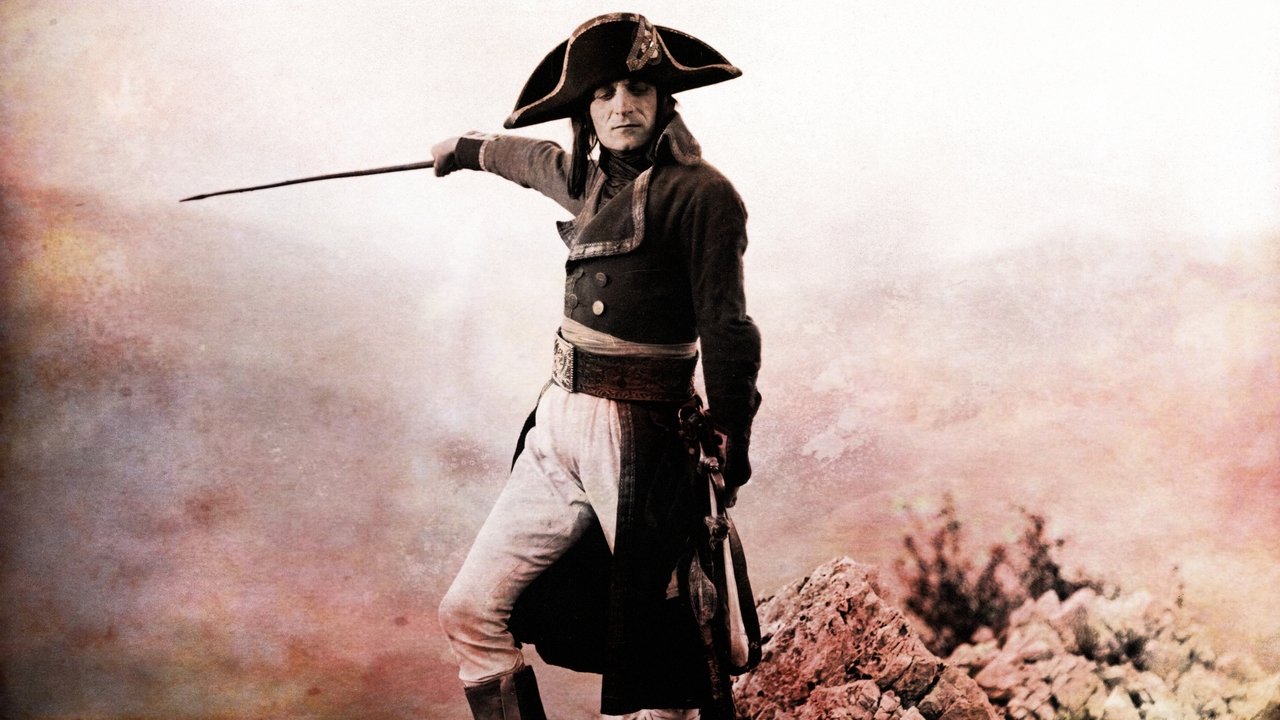
 Para empezarNapoleón19277.9Su película más aclamada, y una entrada sencilla.El golpe de estado del 18 Brumario de 1799, que significó el fin de la Revolución Francesa, puso el poder en manos de Bonaparte, el más prestigioso de los generales franceses, sobre todo…Ver película
Películas imprescindibles
Ordenadas por prestigio y alcance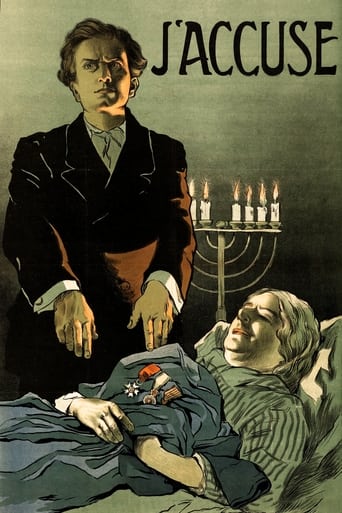

Filmografía
40 películas como director- 1964Cyrano y D’ArtagnanDirección
- 1960AusterlitzDirección
- 1958MagiramaDirección
- 1956J'accuse ! (Magirama)Dirección
- 1955La Tour de NesleDirección
- 195414 juillet 1953Dirección
- 1943Le Capitaine FracasseDirección
- 1941Vénus aveugleDirección
- 1939Paradis perduDirección
- 1939LouiseDirección
- 1938Le Voleur de femmesDirección
- 1938Yo acusoDirección
- 1937Un gran amor de BeethovenDirección
- 1936Le Roman d'un jeune homme pauvreDirección
- 1935Lucrecia BorgiaDirección
- 1935Jérôme Perreau héros des barricadesDirección
- 1935Napoléon BonaparteDirección
- 1934La Dame aux caméliasDirección
- 1934PolicheDirección
- 1933Mater DolorosaDirección
- 1931El fin del mundoDirección
- 1928Marines et cristeauxDirección
- 1927NapoleónDirección
- 1924Au secours !Dirección
- 1923La ruedaDirección
- 1919Yo acusoDirección
- 1918La dixième symphonieDirección
- 1917La zone de la mortDirección
- 1917BarberousseDirección
- 1917Mater dolorosaDirección
- 1917Le droit à la vieDirección
- 1916Les gaz mortelsDirección
- 1916Le fou de la falaiseDirección
- 1916Le périscopeDirección
- 1915Un drame au château d'AcreDirección
- 1915L'héroïsme de PaddyDirección
- 1915L'énigme de dix heuresDirección
- 1915La folie du Docteur TubeDirección
- 1912Le masque d'horreurDirección
- 1911La DigueDirección