

Director
Robert Parrish
Nacido el 4 de enero de 1916 en Columbus, Georgia, USA Fallecido el 4 de diciembre de 199520 películas
Robert R. Parrish (born 4 January 1916, Columbus, Georgia – 4 December 1995, Southampton, New York) was an American actor, film editor, film director, and writer. He received an Academy Award for Film Editing for the 1947 film, Body and Soul.
Leer más
Parrish was the son of factory cashier Gordon R. Parrish and Laura R. Parrish. In the mid-1920s, the family moved from Georgia to Los Angeles and Parrish and his sisters Beverly and Helen began obtaining work as actors soon thereafter. Parrish made his film debut in the 1927 Our Gang short Olympic Games. (Their mother, Laura R. Parrish, was an actress as well and appeared in a few films of the 1940s.) He appeared in the anti-war classic All Quiet on the Western Front (1930) and Charles Chaplin's City Lights (1931), and in several films for John Ford.
Ford then enlisted him as an assistant editor in 1936 on Mary of Scotland, and as a sound editor on Young Mr Lincoln (1939). Parrish worked as an assistant editor and sound editor on other Ford movies as Drums Along the Mohawk (1939) and The Grapes of Wrath (1940). Parrish and Ford were in the United States Navy during the Second World War, and worked on documentary and training films including The Battle of Midway (1942).
In 1947 he won an Oscar for his debut as a feature film editor on Robert Rossen's high tempo boxing drama Body and Soul; the award was shared with Francis Lyon. Parrish was later nominated for another Rossen film – the political drama All the King’s Men (1949); he shared the nomination with Al Clark.
Parrish went on to contribute his technical talents to a host of highly regarded films and made a promising directorial debut in 1951 with the gripping revenge melodrama, Cry Danger. His subsequent output met with varying success. The Purple Plain (1954) was nominated for "Best British film" at the 8th British Academy Film Awards. One of the most notorious of his films was the James Bond Parody Casino Royale (1967), in which he was one of the film's five directors. His last film, on which he shared co-director credit with Bertrand Tavernier, was Mississippi Blues (1983).
Parrish wrote two memoirs, Growing Up in Hollywood (1976) and its sequel Hollywood Doesn't Live Here Anymore (1988). Of the first, Kevin Brownlow wrote, "His stories about these pictures were marvellous in themselves, and he often came at them sideways, so not only the punchline but the situation took you by surprise. We all entreated him to write them down and in 1976 he did so, producing one of the most enchanting - and hilarious - books about the picture business ever written. It was called Growing Up in Hollywood and it ought to be reprinted in this centenary year." Summing up Parrish's career, Allen Grant Richards wrote, "Other than his excellent editing work and early directing, Parrish may be most remembered as storyteller from his two books of Hollywood memoirs."
Empieza aquí
La mejor puerta de entrada a la obra de Robert Parrish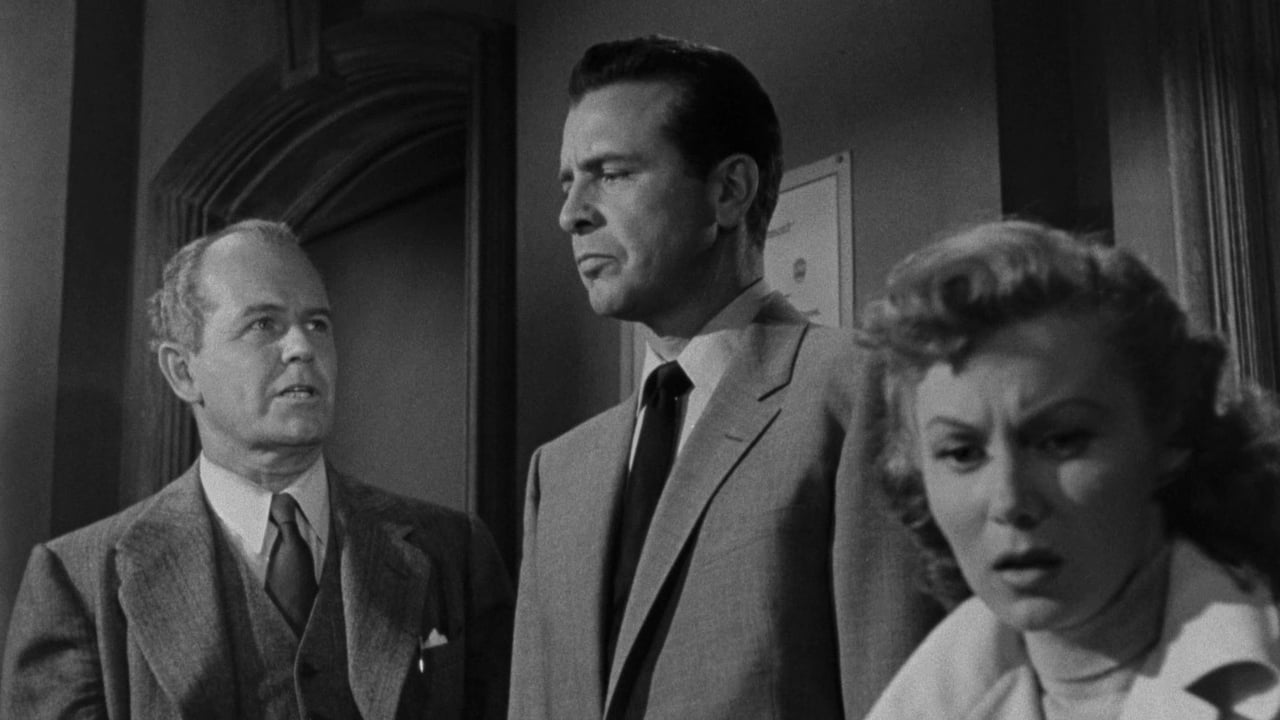
 Para empezarGrito de terror19516.7Su estilo en estado puro, y entre lo mejor valorado de su obra.Un hombre inocente, recién salido de la cárcel, decide buscar a los que lo mandaron a prisión para vengarse de ellos.Ver película
Películas imprescindibles
Ordenadas por prestigio y alcance


Filmografía
20 películas como director- 1984Mississippi BluesDirección
- 1974Contrato en MarsellaDirección
- 1971Una ciudad llamada BastardaDirección
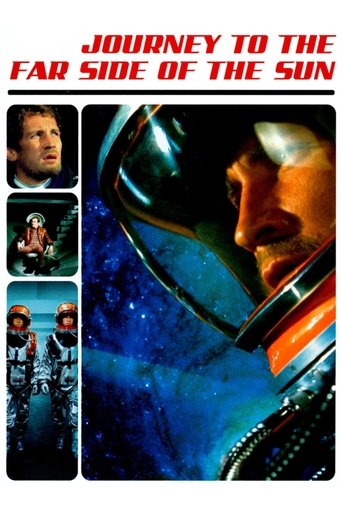
- 1969Más allá del solDirección
- 1968DuffyDirección
- 1967Casino RoyaleDirección
- 1967El magnífico BoboDirección
- 1965Up from the BeachDirección
- 1963Al estilo francésDirección
- 1959Más allá de Río GrandeDirección
- 1958Más rápido que el vientoDirección
- 1957Fuego escondidoDirección
- 1955Orgullo contra orgulloDirección
- 1954Llanura rojaDirección
- 1953Un disparo en la mañanaDirección
- 1952My Pal GusDirección
- 1952Destino: BudapestDirección
- 1952Historia de San FranciscoDirección
- 1951El poder invisibleDirección
- 1951Grito de terrorDirección