
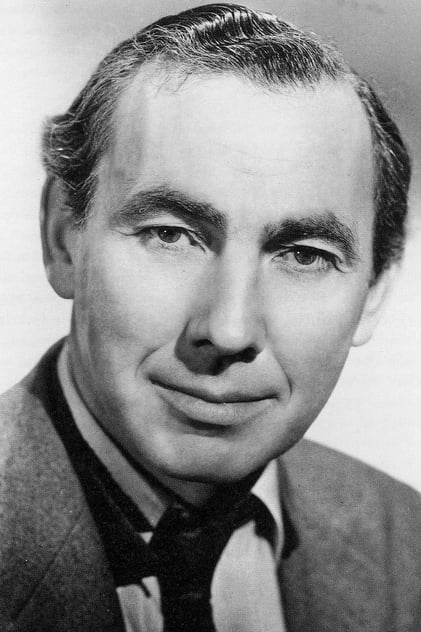
Director
Zoltan Korda
Born June 3, 1895 in Pusztaturpaszto, Túrkeve, Austria-Hungary [now Hungary]Died October 13, 196117 films
From Wikipedia, the free encyclopedia
Read more
Zoltan Korda (3 June 1895 – 13 October 1961) was a Hungarian-born motion picture screenwriter, director and producer.
Born Zoltán Kellner, Kellner Zoltán in Hungarian name order, of Jewish heritage in Pusztatúrpásztó, Túrkeve in Hungary (Austria-Hungary), he was the middle brother of filmmakers Alexander and Vincent Korda.
Zoltan Korda went to work with his brother Alexander in their native Hungary and in the United Kingdom for his London Films production company. Initially Zoltan Korda functioned as a camera operator then for a time worked in film editing and as a screenwriter. In 1918 and 1920 in Hungary, he directed two silent film shorts and a feature-length silent film in Germany in 1927. In London, he made his English-language directorial debut with the sound drama Men of Tomorrow (1932) then gained wide respect for the adventure film Sanders of the River (1935), starring Paul Robeson and Leslie Banks. The film proved a significant commercial and critical success, giving Korda the first of his four nominations for "Best Film" at the Venice Film Festival. Korda and Robert Flaherty won the Venice festival's "Best Director" award for Elephant Boy (1937).
A former cavalry officer, Korda made a number of military action/adventure films, many of which were filmed in Africa or India. As someone with a social conscience, his film projects often reflected that perspective when dealing with the indigenous peoples of the British Empire. Of his directorial efforts, 1939's The Four Feathers starring Sir Ralph Richardson is considered his greatest cinematic accomplishment. Of lasting significance, the film was nominated for the Palme d'Or at the 1939 Cannes Film Festival and was presented again by the Festival committee in 2002 in retrospective.
In 1940, Zoltan Korda joined brother Alexander in Hollywood. Working through United Artists, he served as executive producer of The Thief of Bagdad. Zoltan Korda spent the rest of his life in southern California, making another seven films including the acclaimed 1943 World War II drama, Sahara (1943), for which he wrote the screenplay and which starred Humphrey Bogart, and A Woman's Vengeance (1947) with Charles Boyer and Jessica Tandy.
Korda was married to Joan Gardner (1930 - 13 October 1961) till his death and had a son, David. The entire family's colorful history is the subject of a book by Zoltan's nephew Michael Korda, Charmed Lives.
Poor health, brought on years earlier from a battle with tuberculosis, forced Zoltan Korda's retirement in 1955. He died in 1961 in Hollywood after a lengthy illness and was interred there in the Hollywood Memorial Park Cemetery.
Description above from the Wikipedia article Zoltan Korda, licensed under CC-BY-SA, full list of contributors on Wikipedia.
Start here
The best way into Zoltan Korda's work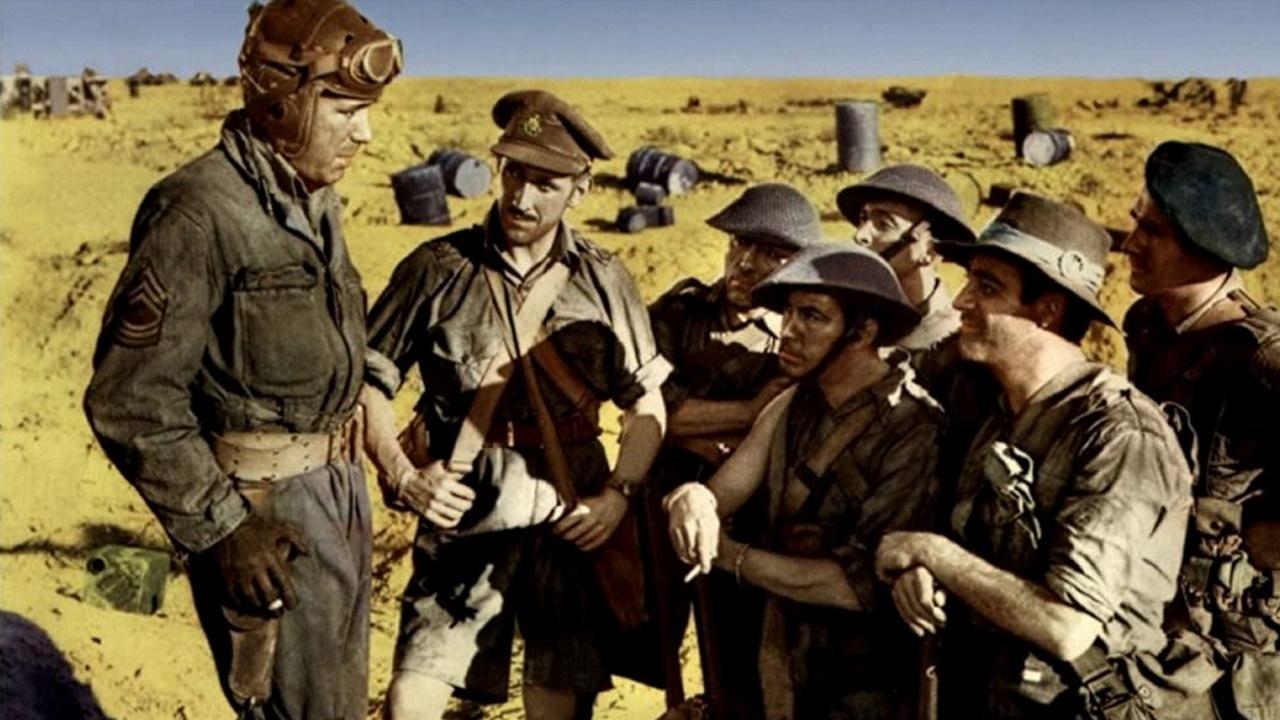
 First watchSahara19437.2In Libya, an American tank commander, along with a handful of Allied soldiers, tries to defend an isolated well with a limited supply of water from a German Afrika Korps battalion during…View film
Essential films
Ranked by acclaim and reach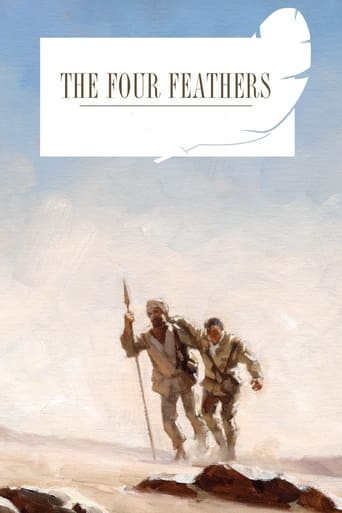
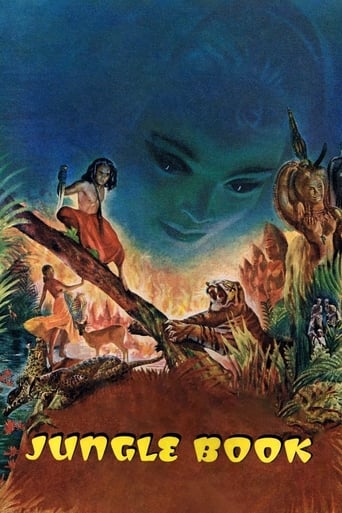
Filmography
17 films as director- 1955Storm Over the NileDirector
- 1951Cry, the Beloved CountryDirector
- 1948A Woman's VengeanceDirector
- 1947The Macomber AffairDirector
- 1945Counter-AttackDirector
- 1943SaharaDirector
- 1942Jungle BookDirector
- 1939The Four FeathersDirector
- 1938The DrumDirector
- 1937Elephant BoyDirector
- 1936Forget Me NotDirector
- 1935Sanders of the RiverDirector
- 1933CashDirector
- 1931The Conquest of the AirDirector
- 1927The Eleven DevilsDirector
- 1920A CsodagyerekDirector
- 1918Károly bakákDirector